Pulverised fly ash is fine, dusty and sets if it gets wet, so it is easy to lose product or put a load out of spec in transit. If it picks up moisture it cakes and loses the properties that make it useful in cement and concrete. Fly ash, also called PFA or pulverised fuel ash, is used as a cement replacement and in concrete, grouting and construction fill. This page explains how it is transported in bulk so it arrives dry and in spec, and where Den Hartogh can help with fly ash transport across Europe, the UK and Ireland.
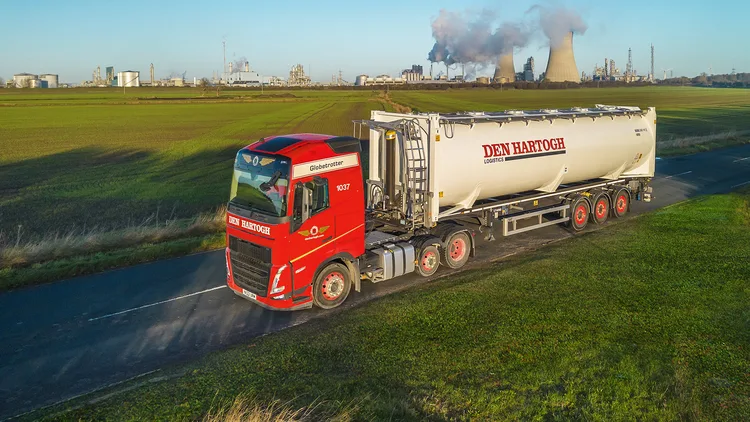
Fly ash is a fine residue from coal-fired power stations, used mainly as a supplementary material in cement and concrete. It comes in different classes, but for transport the drivers are the same: it is fine, dusty and must stay dry.
In every case we move it as a dry powder in sealed pressurised tanks, so it cannot pick up moisture on the way.
Fly ash moves in enclosed pressurised tanks with pneumatic discharge. The setup is built around keeping the fine powder dry and contained:
The discharge is matched to your receiving point, so the tank empties cleanly into your silo. Because fly ash is abrasive, we maintain the equipment to keep wear from becoming contamination.
Cement and clinker are traded across borders, including UK and Ireland lanes. We can run the sea leg, the port handling and the inland move as one chain, with customs included, so imports do not hold up your line. Much long-distance clinker already moves by sea, and we can coordinate the inland move that follows.
For steady, repeat volumes, rail or short sea can lower cost and CO2 on the longer legs where a lane suits it, and we report the figures for your own use.
If demand peaks with large pours or seasonal construction, buffer stock near your plant can smooth supply. Whether it is worth it depends on your stock policy and what a stop costs. In each case the aim is the same: dry cement, in spec, when your plant needs it.
Den Hartogh moves pulverised fly ash in bulk across Europe, the UK and Ireland. Depending on your volumes and receiving points, we can keep the ash dry in sealed pressurised tanks, discharge pneumatically into your silo, contain the dust at both ends, handle cross-border supply as one chain, and offer lower-emission options where a lane allows. We start from your volumes and receiving points, so the setup fits how your plant runs.
Curious what we can do for you? Leave your details and we'll get back to you as soon as possible.
How do you keep fly ash dry?
We move it in sealed, enclosed pressurised tanks, so no moisture reaches the powder during transport or discharge, and it still performs in the mix.
How do you control the dust?
Through fully enclosed loading and pneumatic discharge, so this fine powder stays contained. That protects both the product and the people handling it.
Do you discharge straight into our silo?
Yes. The pressurised tank discharges pneumatically into your silo, so the ash goes from tank to storage without handling in between.
Can you handle imported fly ash?
Yes, including import lanes, with customs and port handling run as one chain.
Is intermodal transport worth it for fly ash?
n the right lane, and given the repeat volumes, rail or short sea can lower cost and emissions. Whether it fits depends on the lane and the timing.
Do you cover UK and Ireland lanes?
Yes, including import lanes.

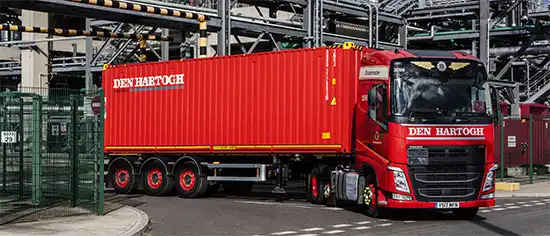
Chemical site managers are working hard to reduce maintenance downtime during a turnaround (TAR). Den Hartogh can assist in the challenge to work around the clock, first time right and in a short period of time. Our operational teams, managed by experienced project supervisors are ready to perform all the logistics of bulk chemicals relating to your company’s TAR projects.
Discover more

We can transport your Dry Bulk using global containarised transport and road transport. Intermodal transport is the preferred way to move freight over longer distances. Owning over 700 trucks, we can provide both regional as well as international transport. Our scale of combined operations together with our intermodal expertise ensures capacity, pricing efficiency and reliable service to the Food industry.
Discover more
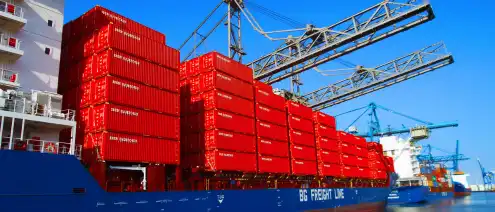
At Den Hartogh, we support dry bulk mineral flows with modern equipment, technical expertise and a practical approach to mineral transport. Rather than focusing on one specific product group, we build on the minerals we already transport and continuously explore new opportunities within dry bulk transport together with our customers.
Discover more
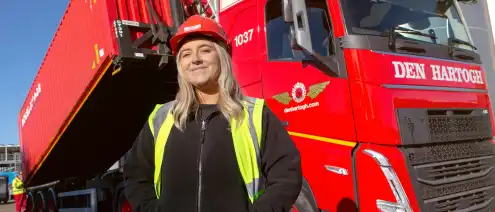
At Den Hartogh, we deliver specialised plastic logistics solutions as part of our wider polymer logistics offering. With strong European coverage, dedicated equipment and a service driven approach, we support reliable polymer transport and plastic transport across complex international polymer and plastic supply chains.
Discover more
Intermodal transport is the preferred way to move freight over longer distances.
It optimally combines various modes of tank container transport.
This method has proven to be a safe, cost-effective, flexible and sustainable way to ensure that shipments are efficiently carried to their destinations.

Owning over 900 trucks, we can provide both regional as well as international transport.
So no matter where your products need to go, we’ll make sure they get there.
Every year, the fleet is expanded with dozens of high-standard new trucks, which are then provided with annual functionality updates by Den Hartogh’s dedicated M&R department.