Demurrage piling up at the quay. Heating capacity unavailable last week. Three operators, three invoices, zero visibility on costs and arrivals. There is one partner who can run your entire chain, vessel to plant, under one contract, with a single Control Tower showing every tank and every euro in real time.
One partner. One contract. One control tower.
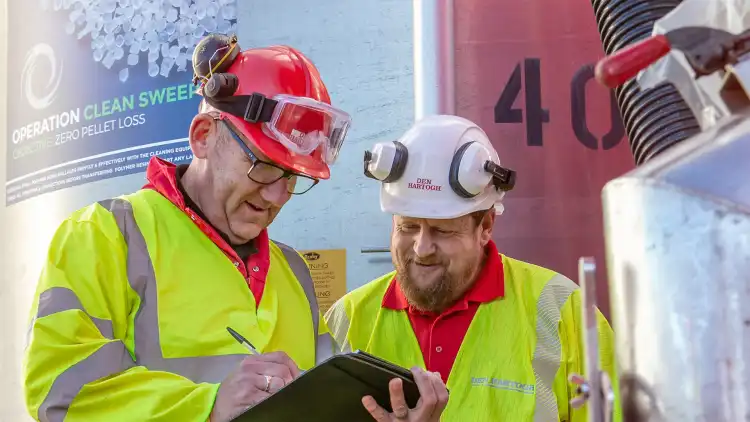
Den Hartogh's Import Distribution Center (IDC) is a fully managed import service for companies bringing bulk liquid chemicals into Europe in tank containers. Instead of coordinating shipping lines, terminals, customs brokers, depots, hauliers and heating facilities yourself, you work with one partner under one contract, with a single Control Tower giving you live insight into cost and status across the whole chain.
We handle the complexity of the import leg, from port handling and customs through storage, heating and last-mile delivery, so your team can focus on production and customers. The IDC is built around chemical importers who need predictable costs, dependable continuity, and a setup tailored to their own products, ports and end-customer commitments.
What makes it work is the network behind it. Everything the IDC delivers rests on the strongest European network in bulk liquid chemical logistics: Den Hartogh's own Logistics Service Centres and tank container fleet, combined with a curated, long-term network of partner depots, terminals and hauliers across Europe. That combination of owned infrastructure and trusted partners is the reason one partner can genuinely take responsibility for your whole import chain, with consistent standards everywhere your product moves.
For decades, importing chemicals into Europe was a solved problem. It no longer is. Three structural shifts have made the inbound chain harder to run, and more expensive when it breaks.
Geopolitical events are reshaping maritime routes, port congestion and climate disruption interrupt schedules, and the structural pattern of global trade keeps shifting. Recent route disruptions in the Red Sea and other major chokepoints have added weeks to chemical lead times. These are not one-off headlines, they are a recurring reality that forces planning assumptions to change quickly.
European production faces high energy costs and a heavy regulatory burden, while capacity expands elsewhere. According to Cefic, EU chemical imports rose 10.2% year on year in early 2025, with China now the largest single source. The consequence: a growing reliance on intercontinental chemical flows, with limited local alternatives for many products. Supply chains are getting longer, with more points of exposure and a high concentration of volume passing through a handful of chokepoints.
When a single disruption can halt production within days, supply-chain reliability is no longer just an operational concern. Risk management and resilience have moved onto the board agenda, resilience is now a procurement KPI, not just a hope.
Beyond the headline disruptions, importers face constant pressure on the ground:
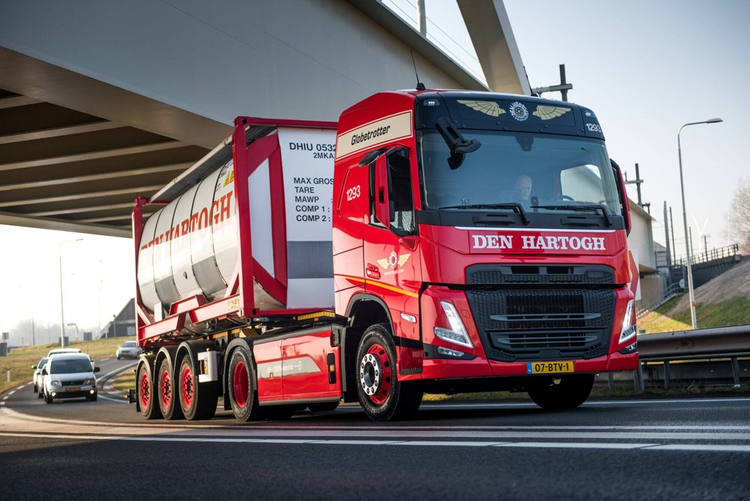
The Import Distribution Center is an end-to-end import setup, tailored to your chemical flows and end-customer commitments. Everything that today sits with multiple suppliers is brought together under one accountable partner.
Equipment, transport, storage and heating, customs and documentation, all delivered by Den Hartogh. You get the tank containers, the trucks and the depot capacity, plus the administrative backbone of customs clearance, documentation, and proactive quay-cost and demurrage management, in a single package. Den Hartogh-owned tank containers are preferred for maximum flexibility and cost control, with third-party tank containers managed when needed.
The Control Tower is your single point of oversight. One real-time view shows all your tank containers regardless of operator, with full insight into cost and status across every service in the chain. Demurrage and quay rentals are managed proactively, costs are stopped before they accumulate, rather than explained after the invoice arrives.
Buffer capacity for short- and long-term storage, delivery on call-off with short lead times, and multi-port entry across Europe mean the setup adapts to your volume swings. You're not forced into fixed parcels you do not need. Response times are shorter because the network is already in place.
Cleaning, dangerous goods handling and compliance are built in, not bolted on. ADR and non-ADR products are both covered, and temperature-sensitive products are heated via steam, warm water or electric capacity, with costs agreed up front, for full predictability and no surprises.
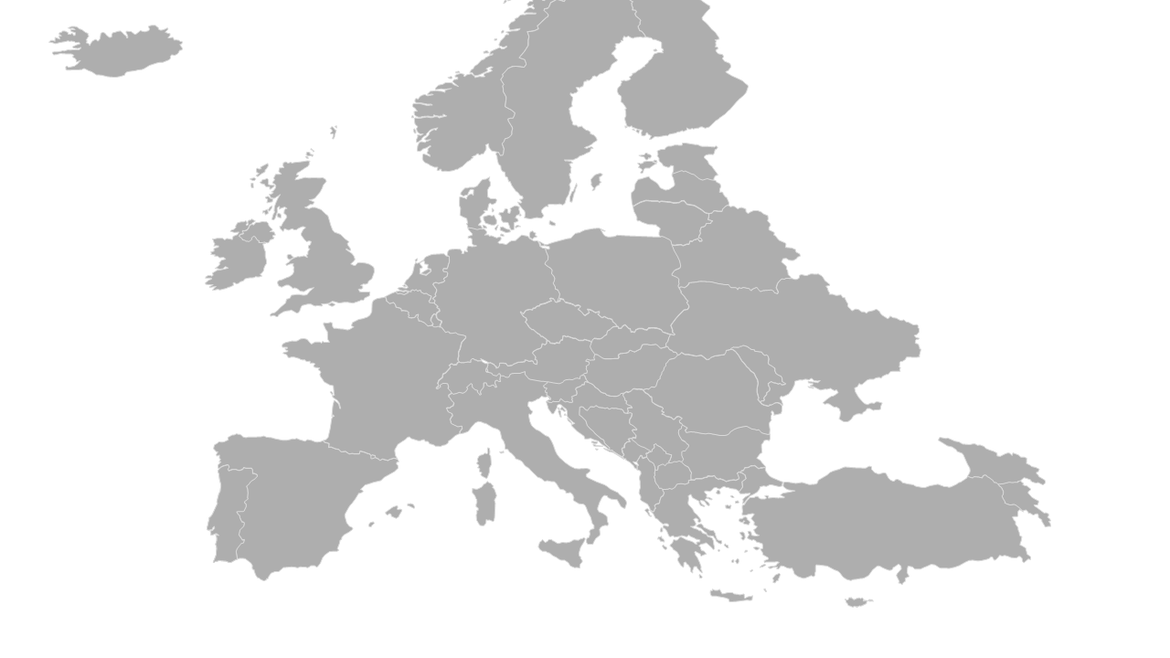
The European network is the single biggest reason the IDC works, and it is the hardest part for any competitor to copy. Den Hartogh combines its own Logistics Service Centres and tank container fleet with a curated, long-term network of partner depots, terminals and hauliers across Europe. Owned infrastructure gives you control and consistency; the partner network gives you reach and resilience. Very few providers can offer both at this breadth, and that is what turns a fragmented import chain into one accountable service.
The IDC is part of Den Hartogh's wider network of 54 locations across 27 countries.
Wherever your product enters or is delivered, it moves under the same Den Hartogh safety and quality standards, with a single point of contact. You avoid the complexity and risk of managing multiple regional suppliers with inconsistent protocols.
The network is designed to absorb disruption. When a route or port is congested or closed, we re-route around it through an alternative gateway or mode, rather than wait it out, so your supply keeps moving when others stall.
The IDC is operational, not theoretical. Den Hartogh runs live import flows where deepsea import, on-carriage, depot handling and heating are integrated into a single managed service. The Control Tower monitors all incoming tank containers, heating costs are fixed per product for full predictability, and quay rentals and demurrage are actively managed and minimised.
Getting started is straightforward. A single 30-minute conversation is enough to see whether the model fits your flows. From there, the path runs through scoping, model design, contracting, pilot lanes and into a steady-state Control Tower with monthly KPI reviews, tailored to the volume and urgency of your specific situation.
The strongest European network. Own LSC depots and tank container fleet combined with a curated, long-term partner network across Europe. This breadth of owned infrastructure plus trusted partners is the competitive advantage few can match, and the foundation everything else is built on.
A 30-minute scoping conversation is enough to see the fit. Bring your context, and we'll bring the model.
What is an Import Distribution Center for liquid bulk chemicals?
It is a fully managed import service that brings the entire inbound chain, including port handling, customs, storage, heating and last-mile delivery, under one partner and one contract, with a Control Tower for real-time cost and status visibility. Den Hartogh's IDC is built around your specific chemical flows and end-customer commitments.
What makes Den Hartogh's European network different?
Den Hartogh combines its own Logistics Service Centres and tank container fleet with a curated, long-term network of partner depots, terminals and hauliers across Europe. That mix of owned infrastructure and trusted partners gives you reach, resilience and consistent standards under one contract, and it is the hardest part of the service for any competitor to replicate. The IDC is part of Den Hartogh's wider network of 54 locations across 27 countries.
Which ports does the IDC cover?
The IDC offers multi-port entry across a wide range of European gateways, with flexible routing so flows can be re-routed around disruption.
What does "one partner, one contract, one control tower" mean in practice?
You deal with a single accountable provider instead of coordinating shipping lines, terminals, customs brokers, depots and hauliers separately. One contract covers the whole import leg, and one Control Tower gives you a real-time overview of every tank container, cost and status.
How does the IDC control quay costs and demurrage?
The Control Tower monitors all incoming tank containers and manages quay rentals and demurrage proactively, stopping costs before they accumulate. Heating costs are agreed per product up front, so pricing is predictable
Can heated, temperature-sensitive and ADR products be handled?
Yes. The service is chemistry-native: ADR and non-ADR products are both covered, and temperature-sensitive products are heated via steam, warm water or electric capacity. Cleaning, dangerous goods handling and compliance are built in.
How long does onboarding take?
Onboarding length depends on flow complexity and IT-integration scope. A 30-minute scoping conversation is enough for both sides to gauge fit and propose a realistic timeline. Where there is urgency, a single-lane pilot can run in parallel with the full contract and IT setup so the first shipments start sooner.
Can the service scale for seasonal demand peaks and buffer stock?
Yes. Buffer capacity supports short- and long-term storage, delivery on call-off handles demand variability, and an own fleet backed by trusted subcontractors provides year-round availability that scales with volume swings.

Intermodal transport is the preferred way to move freight over longer distances.
It optimally combines various modes of tank container transport.
This method has proven to be a safe, cost-effective, flexible and sustainable way to ensure that shipments are efficiently carried to their destinations.

Owning over 900 trucks, we can provide both regional as well as international transport.
So no matter where your products need to go, we’ll make sure they get there.
Every year, the fleet is expanded with dozens of high-standard new trucks, which are then provided with annual functionality updates by Den Hartogh’s dedicated M&R department.