Den Hartogh moves the raw materials that biofuels are made from. As a specialist in liquid logistics, we transport waste-based feedstocks such as used cooking oil, animal fats and vegetable oils from where they are collected to the biorefineries that turn them into renewable fuels, anywhere in the world. We combine tank containers, heating, cleaning and quality control with a global network, so producers get one partner across the whole feedstock supply chain, from collection point to plant. And for the fastest-growing part of the market, sustainable aviation fuel, we go all the way to the finished fuel.
Biofuels are renewable fuels made from biological materials instead of fossil oil. They come in several forms:
What they share is their raw material. Modern, sustainable biofuels are built on waste-based feedstocks: used cooking oil, animal fats such as tallow, and residues, rather than food crops. Moving those feedstocks safely, cleanly and heated, with the handling and documentation your supply chain needs, is where Den Hartogh adds value.
Demand for renewable fuels is climbing fast, driven by policy around the world. Measures such as the EU Renewable Energy Directive (RED III) and the ReFuelEU Aviation mandate raise the required share of renewable and aviation fuels year after year, and the market is expanding into aviation and maritime as well as road. Biofuels are the largest volume stream, while e-fuels such as e-SAF are a smaller, premium segment produced close to low-cost renewable energy.
What makes the chain complex is the feedstock. Sustainable, waste-based feedstocks such as used cooking oil and animal fats are collected in small and large quantities all over the world, in different grades and qualities, and increasingly sourced across borders as the market grows. That makes sourcing fragmented and the logistics demanding, and it puts traceability and certification at the centre, with ever stricter rules on origin and sustainability.
In short: the fuel demand is guaranteed and global, and the feedstock that feeds it is dispersed, varied and hard to move. That is exactly the problem a specialist logistics partner solves.
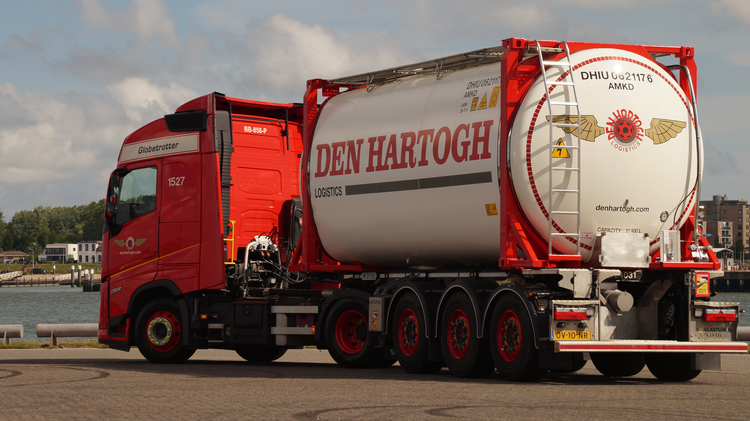
Biofuel feedstocks are demanding cargo, and that is where a specialist earns its place.
Used cooking oil, animal fats and many vegetable oils solidify at ambient temperature. They typically need to be heated, often to around 35 to 50 degrees, before discharge. We provide steam heating and heated, insulated tank containers, with the control to do it safely and without spillage.
Feedstock quality is critical for the refinery. Residues and cross-contamination reduce value and can put a batch off specification. Our controlled tank cleaning and strict product separation keep the feedstock clean from collection to plant.
Animal fats are classified as animal by-products under EU rules, in categories that carry veterinary and documentation requirements at the border, during processing and in transport. We understand these requirements and handle the checks and paperwork that come with them.
With fraud and sustainability under scrutiny, your certification depends on accurate records along the chain. Den Hartogh is not a certification body, but we provide the transport documentation and clean, auditable handling records that your certified feedstock flows rely on, so the data your scheme needs is there when you need it.
Feedstock is collected worldwide in varying volumes. Tank containers give door-to-door and intermodal transport with no fixed infrastructure, scalable from a single load to a steady programme, across deep-sea and inland legs alike.
Den Hartogh covers the chain from collection point to biorefinery:
Europe imports a large share of its biofuel feedstock, and the import leg is often the hardest part of the chain. Our European Import Distribution Service manages it end to end. One partner, one contract, one Control Tower.
Instead of coordinating shipping lines, terminals, customs brokers, depots, hauliers and heating yourself, you work with a single partner under one contract, with a Control Tower giving live insight into cost and status from arrival in Europe all the way to plant delivery. We handle port handling, customs, storage, heating and last-mile delivery, so your imported feedstock arrives clean, in specification and on time.
What makes it work is the network behind it. The service rests on our strong European network of owned locations, depots and tank fleet combined with a long-term partner network, with multiple points of entry and intermodal corridors. It is continuity-built, so flows re-route around disruption instead of waiting it out. For importers of used cooking oil, animal fats and other feedstocks, that means predictable costs, dependable continuity and clear documentation across the import leg.
Read more on our Import Distribution Service page.
The same feedstocks feed several renewable fuels. Den Hartogh moves the raw materials into each of these value chains:
Note: Den Hartogh focuses on the feedstocks that renewable road fuels are made from, and on sustainable aviation fuel. We do not transport fossil road fuels such as diesel or petrol.
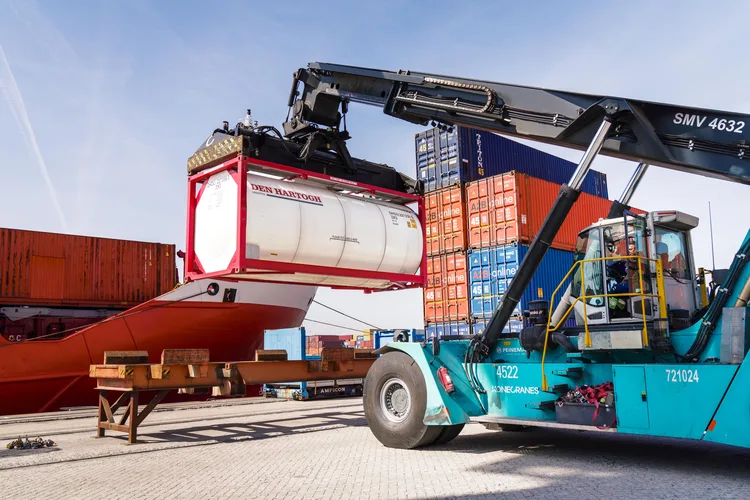
For a sustainable fuel, the carbon value of the entire supply chain determines the value of the end product, and the emissions of moving the feedstock count toward it. Den Hartogh helps you keep that number low and provable. We can supply detailed emissions data for your flows, and we offer lower-carbon transport options, including running on renewable fuels such as HVO. That turns logistics from a line on the cost sheet into part of your sustainability story, and it protects the carbon value that buyers of SAF and renewable fuels are paying for.
Certified feedstock is the entry ticket to the renewable fuel market, and that depends on accurate records along the whole chain. Den Hartogh is not a certification body, so we do not issue certification such as ISCC. What we do is support your scheme with reliable transport documentation, auditable handling and cleaning records, and the data your mass-balance accounting needs. For aviation fuel chains that call for it, we offer dedicated clean tanks to the quality standard those chains require. For feedstock sourced outside the EU, we also help you navigate import procedures and the required inspections and sampling.
The strength behind everything is our network: our own locations, tank fleet, cleaning and heating capacity, combined with a long-term partner network of depots, terminals and hauliers that reaches across the globe. It gives producers one partner and consistent Den Hartogh standards across a global, fragmented supply chain.
Every tonne of waste-based feedstock that reaches a biorefinery replaces fossil oil and cuts emissions across road, aviation and maritime transport. By moving these flows safely, cleanly and efficiently around the world, Den Hartogh helps the fuel industry meet its renewable and decarbonisation targets. Circular, waste-to-fuel logistics is a natural extension of our liquid expertise.
Building or sourcing for a renewable fuel supply chain? Talk to our specialists about moving your feedstocks, safely, cleanly and reliably, anywhere in the world.
Which biofuel feedstocks do you transport?
We move waste-based feedstocks such as used cooking oil, animal fats and tallow, vegetable oils and residues, plus related fatty acids and esters, from collection points to biorefineries worldwide.
Can you heat temperature-sensitive feedstocks?
Used cooking oil and fats solidify at ambient temperature, so we transport them in heated, insulated tanks with steam heating, controlled to avoid spillage.
Do you handle animal by-products and the required veterinary checks?
Yes. Animal fats fall under animal by-product rules with veterinary and documentation requirements. We understand these and manage the associated checks and paperwork.
Can you support our ISCC or other certification?
We are not a certification body and do not issue certification ourselves. We support your scheme with reliable transport documentation, auditable handling and cleaning records, and the data your mass-balance accounting needs.
Do you also serve sustainable aviation fuel?
Yes. SAF is the fastest-growing application. See our dedicated SAF page, where we support the full chain up to the finished fuel.
Can you manage the import of feedstock into Europe?
Yes. Because so much biofuel feedstock is imported, we offer a managed European Import Distribution Service: one partner, one contract and one Control Tower for port handling, customs, storage, heating and last-mile delivery, built on our European network.
Can you provide emissions data for the transport leg?
Yes. Because the carbon value of the whole chain drives the value of the fuel, we can supply detailed emissions data for your flows and offer lower-carbon transport options, including running on renewable fuels such as HVO.
Do you offer JIG-compliant tanks for aviation fuel chains?
Yes, where a chain requires it we offer dedicated, JIG-compliant clean tanks with the matching cleaning protocols, so the product meets aviation fuel quality standards.
Can you help with import inspections and procedures?
Yes. For feedstock sourced outside the EU, we help navigate import procedures and the required inspections and sampling, as part of our managed import distribution.
Do you transport finished road fuels?
No. We focus on the feedstocks that renewable road fuels are made from, and on sustainable aviation fuel, not fossil road fuels.

Intermodal transport is the preferred way to move freight over longer distances.
It optimally combines various modes of tank container transport.
This method has proven to be a safe, cost-effective, flexible and sustainable way to ensure that shipments are efficiently carried to their destinations.

Owning over 900 trucks, we can provide both regional as well as international transport.
So no matter where your products need to go, we’ll make sure they get there.
Every year, the fleet is expanded with dozens of high-standard new trucks, which are then provided with annual functionality updates by Den Hartogh’s dedicated M&R department.